
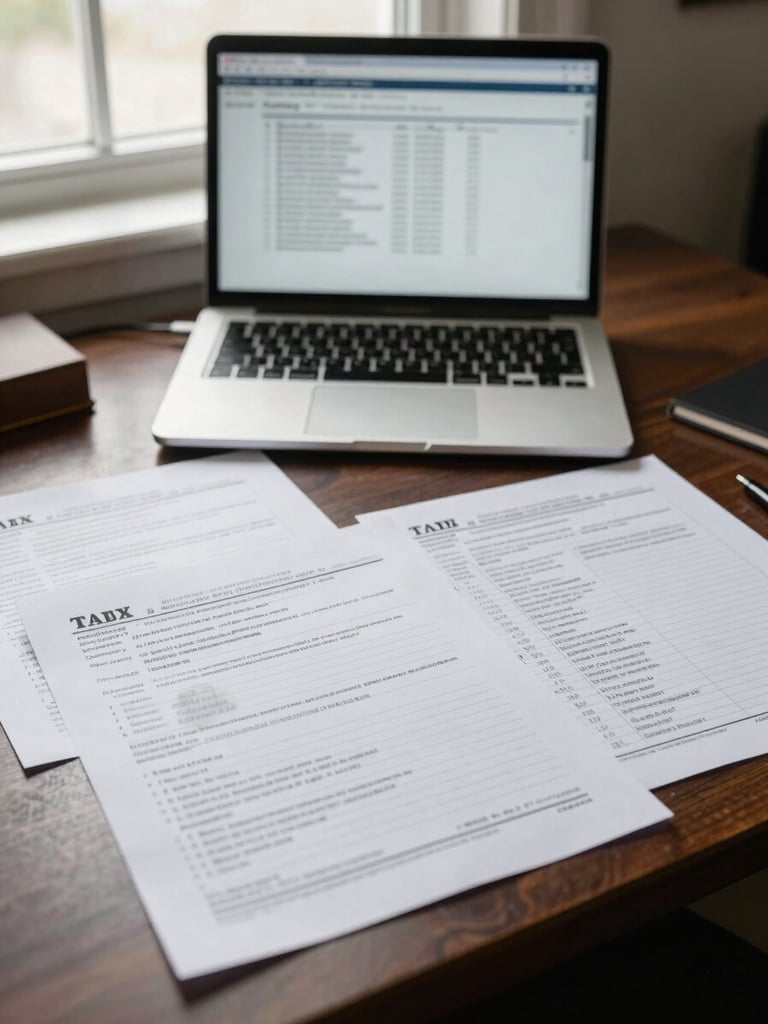
Point-of-view shot from investor's seat at a desk, tax deed paperwork and county printouts spread across the surface, a laptop open to property records in the background, north-facing window light casting soft shadows, no people visible, documentary style
— Built from the inside

We ran the same research. We hit the same wall.

TexasTaxDeed.com started at a desk stacked with county records and open browser tabs. Not a whiteboard in a startup office — an actual deal workflow that kept eating the calendar.

One problem. One platform. No detours.

The gap between knowing how to evaluate a Texas tax deed and doing it at volume is a time problem, not a knowledge problem. That is the only gap this platform closes.
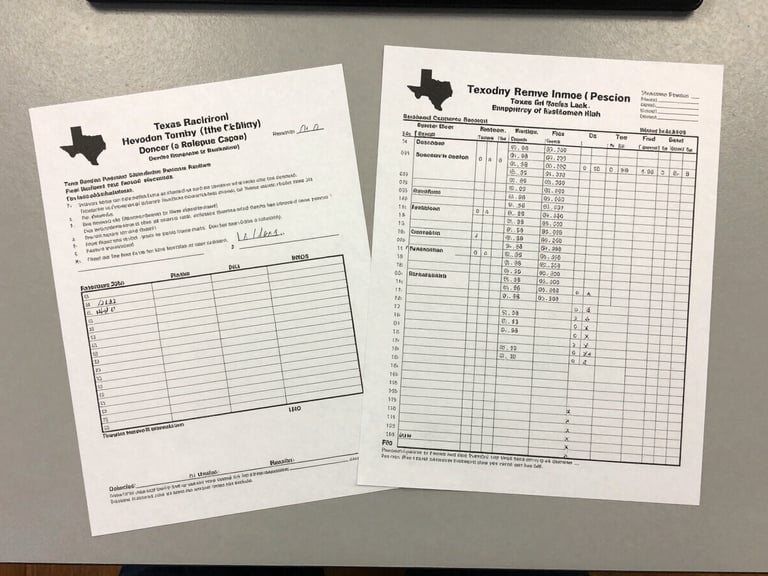
Overhead flatlay of Texas tax deed documents spread on a plain gray desk, a printed title chain report beside a county property record, practical office light from above, tight crop showing handwritten margin notes, no people, documentary framing
/ Practitioner-first decisions

Every feature came from a real deal

Title chain verification, lien stacking, county deed pulls — nothing was added because it looked good on a roadmap. Every workflow decision traces back to a specific research step that was eating hours.

The result is a tool that fits the way experienced investors already think, not one that asks you to learn a new system before you can use it.